
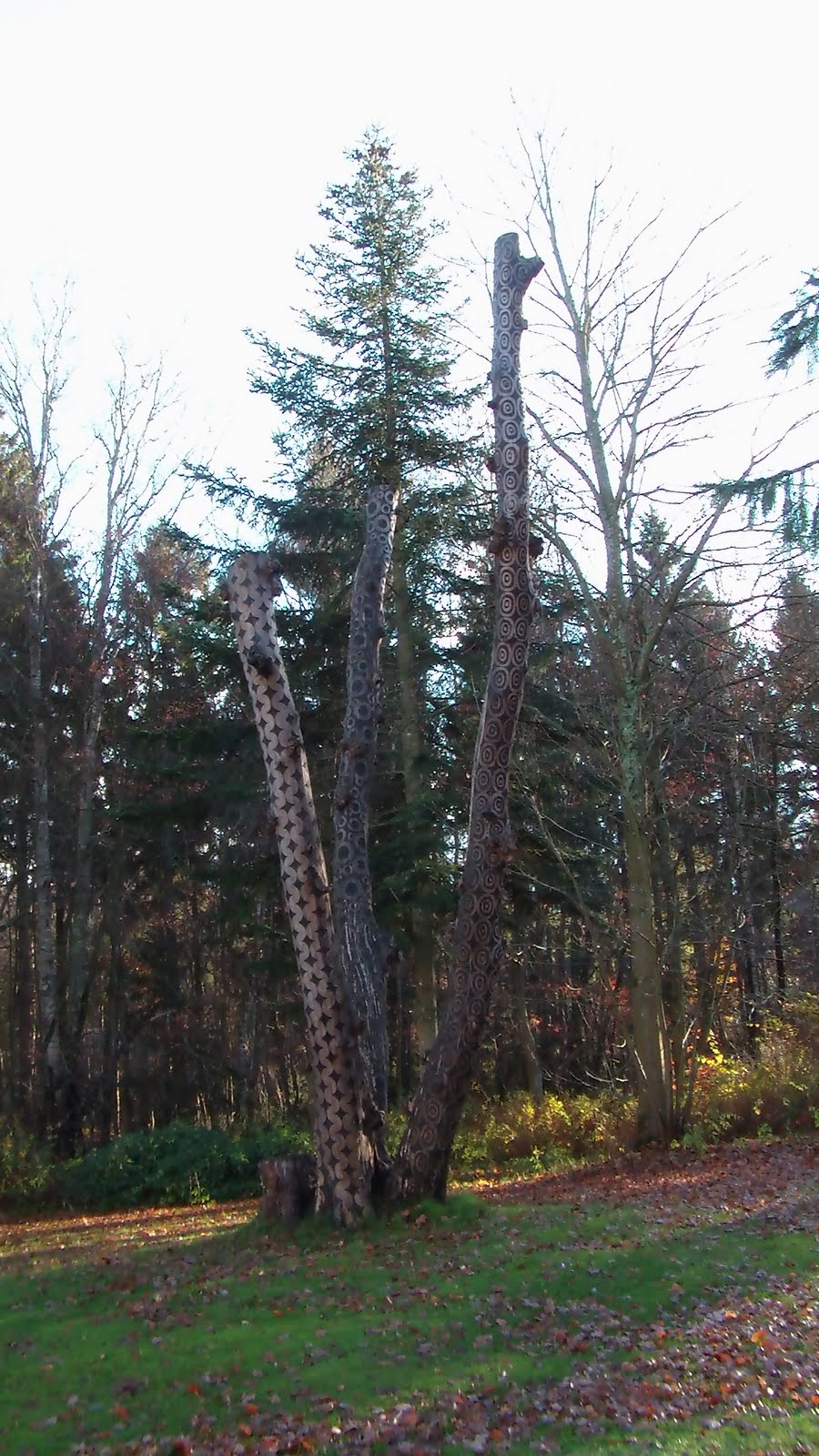
Silkeborg Bad used to be a health resort. When did not had so many clients was turned into an art center. And is a really great place to visit, an attraction where high quality art displays, an experience of nature, and the site's special history play their part. There are changing exhibitions all the year mainly modern art by both Danish and foreign artists.

The Art Center's general goal is to create a dynamic environment for contemporary art, and thus creating relevant and thought-provoking art experiences for the public.

You can reach this place by train to Silkeborg via Skanderborg or Hering and using good bus services from surrounding towns. The park is always open. The area is suitable for wheelchairs.

The art center's shop has a fine range of catalogues, posters, postcards and other articles related to the center's exhibitions. Various art books and works of art are also on sale, and there is a range of original graphic art.

The art center's cafe is situated in the former spa building. In summer the sun and the view over Ørnsø lake can be enjoyed from the cafe's terrace. The cafe's range includes coffee, tea, hot chocolate, cakes, sanwiches and light lunches. The cafe can accomodate groups for cakes, buffets and so on. The cafe also rent Søvilla (the lake villa) to groups, for courses or other activities. The Art Center's cafe is for visitors only.

Entry is 60 DKKK, cca. 8 Euro and there are dicounts for students, groups, pensioners or children. More informations about Silkeborg you can find here

The Art Center's general goal is to create a dynamic environment for contemporary art, and thus creating relevant and thought-provoking art experiences for the public.

You can reach this place by train to Silkeborg via Skanderborg or Hering and using good bus services from surrounding towns. The park is always open. The area is suitable for wheelchairs.
The art center's shop has a fine range of catalogues, posters, postcards and other articles related to the center's exhibitions. Various art books and works of art are also on sale, and there is a range of original graphic art.

The art center's cafe is situated in the former spa building. In summer the sun and the view over Ørnsø lake can be enjoyed from the cafe's terrace. The cafe's range includes coffee, tea, hot chocolate, cakes, sanwiches and light lunches. The cafe can accomodate groups for cakes, buffets and so on. The cafe also rent Søvilla (the lake villa) to groups, for courses or other activities. The Art Center's cafe is for visitors only.

Entry is 60 DKKK, cca. 8 Euro and there are dicounts for students, groups, pensioners or children. More informations about Silkeborg you can find here


.JPG)
.JPG)
.JPG)
.JPG)
.JPG)
.JPG)